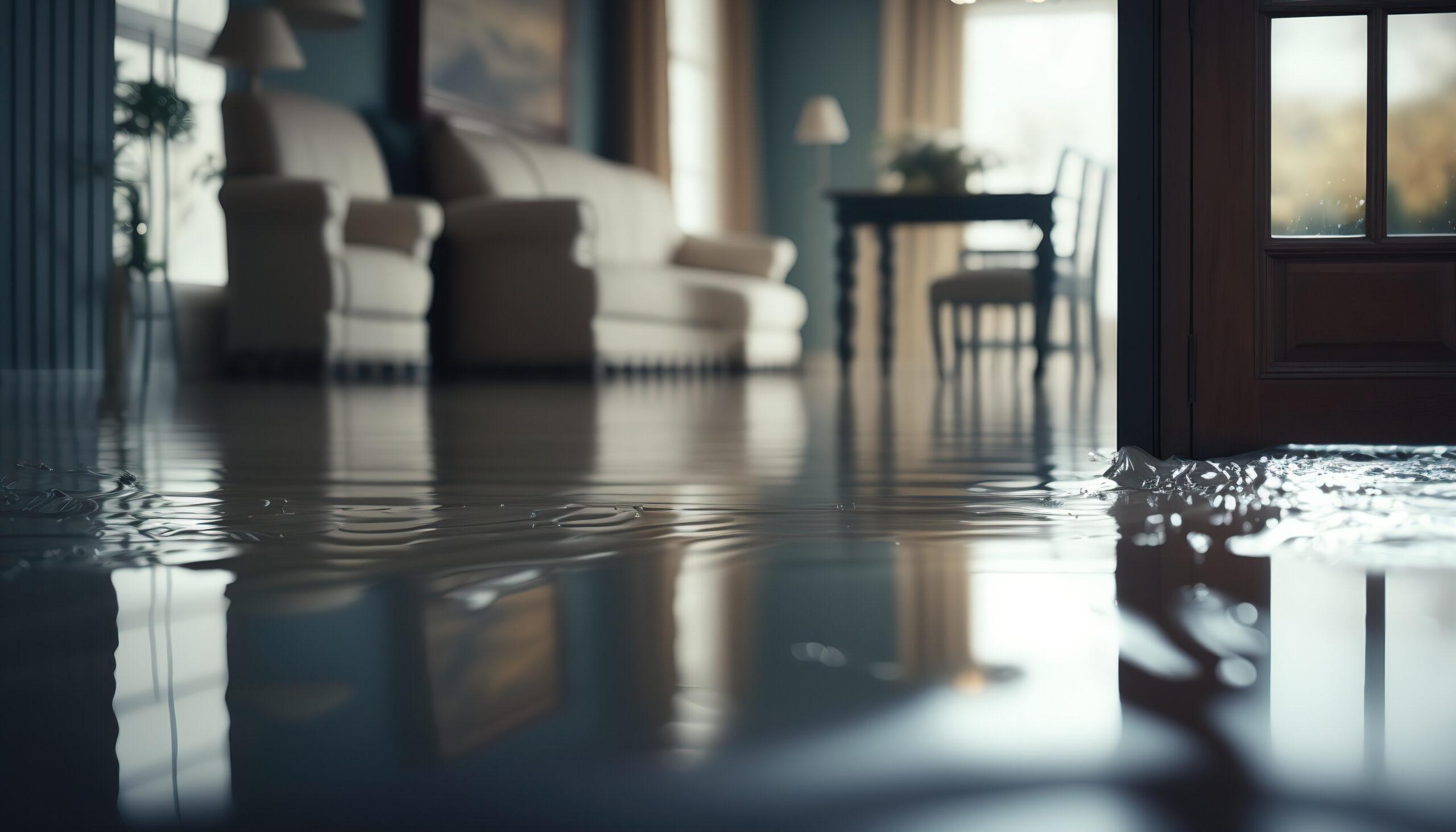
Mitigating Water Hazards: EFS Water Restoration's Tips for Safe Recovery Jul 04, 2026
The first step in addressing water damage is to assess the extent of the problem. Quick identification of water intrusion points is crucial. Look for telltale signs like discoloration on walls or ceilings, swollen furniture, and damp carpeting. If the water source isn't obvious, consider areas prone to leaks such as kitchens, bathrooms, or basements. Prompt assessment helps prevent secondary damage, such as mold growth and structural weakening.
Once you've identified the source and extent of the damage, your next move should be to remove any standing water. Utilizing wet/dry vacuum equipment is an effective method for removing water. But if the area is significantly flooded, professional assistance is advisable. Removing water quickly is vital to prevent long-term damage and mold infestation. As you proceed, take care not to enter floodwaters if the electricity is still active; instead, shut off the power supply from a dry location.
After water removal, the drying process begins. Proper airflow and dehumidification are key to successful drying. Open windows and doors to promote natural ventilation and use fans and dehumidifiers to expedite moisture evaporation. Pay special attention to hidden spots like crawl spaces and underflooring, where humidity can linger unnoticed. EFS Water Restoration professionals suggest maintaining an indoor humidity level below 50% to inhibit mold growth.
While drying and dehumidification are underway, it’s also essential to address and discard any materials that cannot be salvaged. Items such as saturated carpets, insulation, and certain types of furniture can harbor mold spores and bacteria. Evaluating which materials can be restored and which need replacing is an important step, and consulting with restoration experts ensures nothing hazardous goes unnoticed.
In conjunction with these steps, EFS Water Restoration emphasizes the importance of thorough documentation. Take photos and maintain records of all damage, repairs, and expenses. This information is not only valuable for personal records but is often required by insurance companies to process claims efficiently.
Beyond these practical measures, we urge homeowners to consider preventive strategies for future protection. Installing sump pumps and sealing basement walls, as well as regularly inspecting plumbing and roofs, can mitigate risk. Investing in water detection systems that alert you to leaks before they become serious issues can save significant stress and expense in the long run.
At EFS Water Restoration, we know that preparation and swift action are critical to overcoming water damage. We encourage homeowners to stay informed and vigilant, and we stand ready to assist with professional assessment and restoration services. Remember, timely intervention can make all the difference in safeguarding your home and health from water hazards. As you navigate recovery, rely on trusted experts to help you through the process smoothly and safely.
/filters:no_upscale()/filters:format(webp)/media/a86b721c-c070-455d-83bd-4dde3d7acba5.jpeg)
/filters:no_upscale()/filters:format(webp)/media/eda9a8f2-ebb5-4437-abb1-319b1eb3b5ea.webp)